Ant Exterminator & Control in Chicago, IL
A kitchen ant trail in a vintage bungalow near Logan Square can run behind trim and cabinets, while a high rise needs careful unit access. One phone conversation gets the treatment sorted.
Click Here to Call (888) 510-9023A real person answers · No forms · No waiting on a quote email
- County
- Cook County
- Region
- Illinois
- Conditions
- Cold snowy winters, humid summers, lake storms, dense pavement, and aging buildings shape treatment logistics
Plan
The right visit for the job
Bungalow kitchens, apartment units, and foundation activity usually start with an inspection visit or targeted treatment, based on trails, moisture, food sources, and nesting signs.
Quote
A straight quote
The exact quote is given on the call and changes with treatment size, access, materials, time on site, and distance.
Time
A visit time
The visit time is set on the call around building access, tenant schedules, weather, and parking conditions.
Services
Ant Exterminator & Control Services in Chicago
Chicago properties put ants in very different working conditions. A vintage bungalow may have aging trim, basement moisture, and foundation gaps, while a high rise may require access through one unit, a utility room, or shared building areas. Dense pavement limits exterior treatment space, and lake storms can move activity toward walls and doors. The treatment is sized around the trail and the building.
Residential ant treatment
Chicago homes in Jefferson Park, Beverly, and Portage Park may need indoor trail work paired with treatment along foundation edges.
Indoor ant control
Kitchen cabinets, pantry corners, basement walls, and utility rooms receive focused attention when Chicago ants are active inside.
Outdoor ant control
Yards and foundation lines around Chicago bungalows need treatment planned around pavement, planting beds, pets, and building access.
Ant trail treatment
A visible trail near a Chicago window, sink, or baseboard helps identify entry points and the areas needing focused treatment.
Recurring ant prevention
Recurring protection suits Chicago properties that see renewed activity after humid weather, rain, or seasonal movement through foundation gaps.
Apartment ant treatment
High rise and vintage courtyard apartments in Chicago may require unit access, shared-wall awareness, and coordination around residents.
Commercial ant control
Restaurants, offices, and retail spaces along Chicago corridors need treatment planned around food areas, deliveries, staff access, and operating hours.
Sizes
Ant Exterminator & Control Options Available in Chicago
The targeted treatment fits many Chicago ant jobs where activity is visible in a kitchen, pantry, patio, or entry wall. Broader bungalow, apartment, and commercial problems may need whole-home treatment or recurring protection after the inspection visit.
Which option fits common Chicago projects
Ant treatment planning for Chicago
Click Here to Call (888) 510-9023Cost
What Affects Ant Exterminator & Control Cost in Chicago
The exact quote is given on the call after the ant problem is described. Cost depends on the type and size of the job, parts and materials, time on site, distance, access, building layout, and after-hours work.
Job size
A single kitchen trail differs from activity across a Chicago bungalow, several apartment units, or a commercial building with multiple work areas.
Access conditions
High rise entry, locked utility rooms, dense pavement, limited parking, basements, and distance across Chicago can change time and access requirements.
Materials needed
Treatment materials and any parts needed for access or placement affect the quote, based on the ant activity and the surfaces involved.
Timing and access
After-hours work, tenant coordination, restricted restaurant areas, and the time spent tracing activity can change the service cost.
Describe every active area when booking, including trails, moisture, pets, tenants, and access limits. The operator can explain the exact quote before the visit and identify what may change it.
What goes in
Types of Work We Handle
Indoor Ant Trails
Indoor trails around Chicago sinks, pantry shelves, baseboards, and basement walls are suitable for assessment and treatment based on activity and access.
Outdoor Ant Colonies
Outdoor colonies near a Chicago foundation, patio, or planting bed can be addressed when the work area is reachable and clear of people and pets.
Recurring Ant Infestations
Recurring infestations at Cook County homes, apartment properties, and restaurants can be reviewed for ongoing exterior protection and renewed seasonal activity.
Not accepted. The service does not cover unrelated pests, inaccessible areas, unsafe work conditions, or materials and spaces that the property owner cannot authorize.
How to protect your home in Chicago
Projects
Ant Exterminator & Control for Different Projects
Kitchen Ant Treatment Ant Exterminator & Control
Chicago kitchen treatment follows trails around cabinets, sinks, appliances, and wall openings, with attention to moisture and food sources in older homes.
Foundation Ant Treatment Ant Exterminator & Control
Foundation treatment for Cook County homes considers basement walls, cracks, dense pavement, planting beds, and how ants enter the structure.
Pantry Ant Treatment Ant Exterminator & Control
Pantry treatment in Chicago addresses trails near stored food, shelving, baseboards, and adjoining utility spaces without assuming the whole building has the same activity.
Patio Ant Control Ant Exterminator & Control
Patio control around Chicago homes focuses on colonies, cracks, door thresholds, and planting edges that connect outdoor activity to interior rooms.
Apartment Ant Treatment Ant Exterminator & Control
Apartment treatment in high rise and courtyard buildings considers unit access, shared walls, utility spaces, resident schedules, and activity moving between areas.
Restaurant Ant Control Ant Exterminator & Control
Chicago restaurant control is planned around food preparation areas, storage, wash stations, deliveries, staff movement, and the operating schedule.
Commercial Building Ant Control Ant Exterminator & Control
Commercial building treatment across Chicago and Cook County covers active work areas, exterior access points, utility rooms, and coordination with building management.
How it works
How Ant Exterminator & Control Works in Chicago
Call For Ant Help
A real person answers by phone and records the property type, Chicago location, ant activity, access concerns, and preferred visit conditions.
Describe The Ant Problem
Explain where trails appear, how long activity has continued, what food or moisture is nearby, and whether previous treatment was used.
Choose A Treatment Plan
The operator matches the building and activity to an inspection visit, targeted treatment, whole-home treatment, or recurring protection.
Complete Ant Control
The technician examines trails, species indicators, food sources, moisture, nesting areas, and access points before completing the selected treatment.
Weather in Chicago
Chicago winters can stop visible outdoor activity, but ants may remain around heated interiors and protected wall spaces. Humid summers, lake storms, and spring moisture can increase movement near doors, foundations, patios, and basement walls. Weather may change exterior access and treatment conditions.
Treatment area access
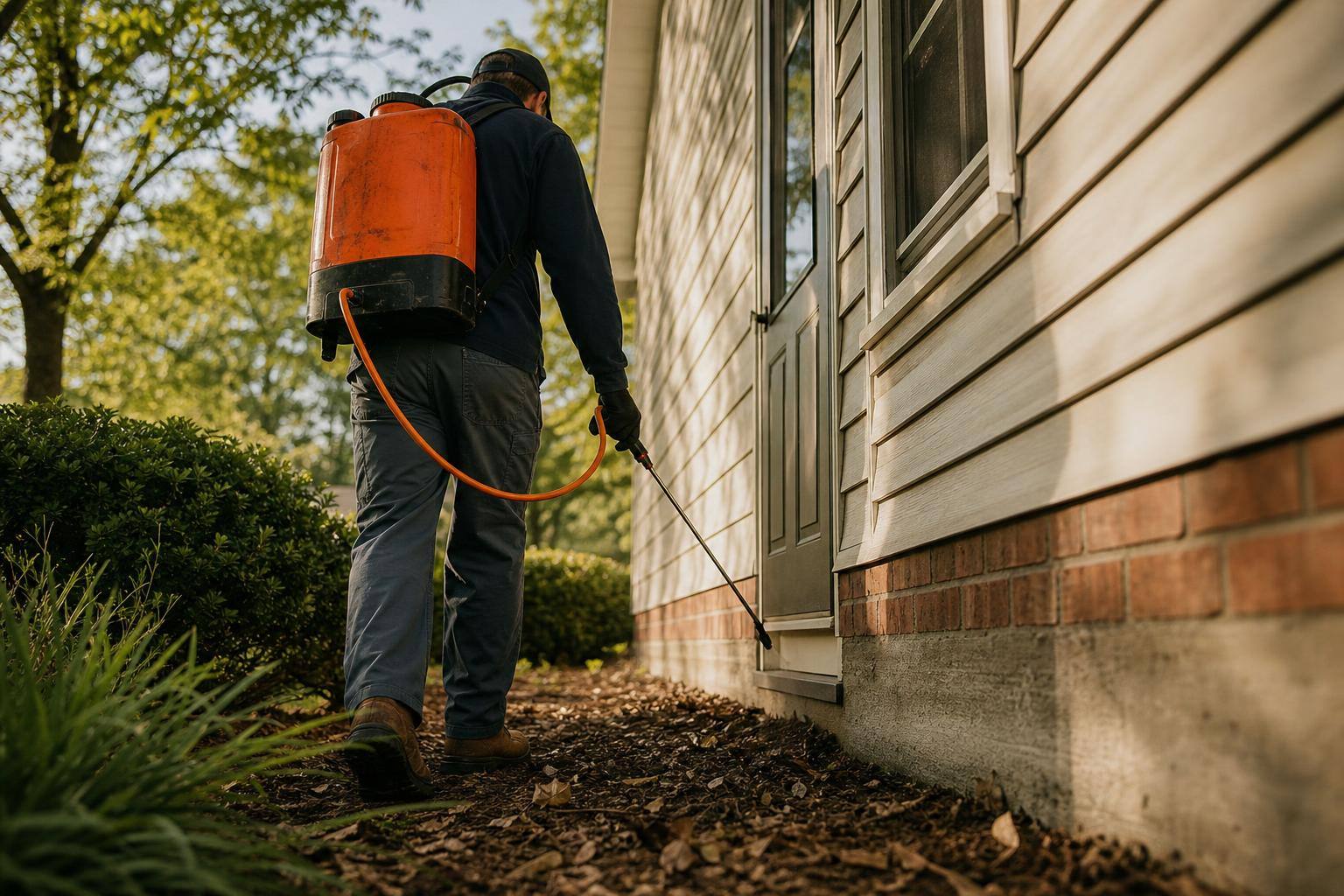
Work may occur in kitchens, pantries, basements, crawl spaces, slabs, utility rooms, foundation edges, patios, and yards. High rise units can limit exterior access, while dense pavement, locked rooms, shared walls, parking, and stored belongings can restrict placement.
Chicago indoor ant control
Click Here to Call (888) 510-9023Permits
Ant Exterminator & Control Permits and Access Rules in Chicago
Access rules
Ant treatment at a private Chicago property generally does not require a permit, but work affecting public space, street placement, building systems, or a local inspection may involve the City of Chicago. The phone discussion covers whether the owner, manager, or service provider needs to arrange anything.
Landlord and HOA requirements
Cook County condominiums, associations, landlords, and rental buildings may have rules for chemical treatment, entry notices, exterior work, or shared areas. Confirm the property policy and provide any required access instructions before scheduling.
What the work area needs
Clear the route to the active trail, utility room, basement, crawl space, foundation, or yard. Keep shutoffs and work surfaces reachable, arrange parking for the vehicle, secure pets and people, and account for snow, rain, lake storms, or wet ground.
Timing
Seasons, Weather and the Best Time to Call in Chicago
Chicago ant activity commonly becomes easier to notice as spring moisture and warming conditions bring movement toward foundations, doors, kitchens, and basements. Humid summer weather can sustain activity, while lake storms and rain may redirect colonies toward sheltered walls. Heated buildings can still show indoor trails during cold snowy winters.
Spring moisture and movement
As Chicago ground and masonry conditions change after winter, ants may move toward warmer wall openings, kitchens, and foundation cracks. Check moisture and entry points before choosing only an indoor treatment.
Humid summer activity
Humid Chicago summers can keep outdoor colonies active near patios and foundation lines, while storms push activity toward sheltered areas. Exterior access and dry work surfaces should be reviewed on the call.
Service area
Ant Exterminator & Control Areas We Serve
Service covers Chicago neighborhoods and settings including Logan Square, Lincoln Park, Portage Park, Jefferson Park, Beverly, the South Side, the West Side, downtown high rises, and lakefront buildings. Nearby service areas include River Forest, Skokie, Lake Zurich, Joliet, and Island Lake.
Chicago is part of our Cook County coverage, and we also serve the neighboring communities below.
Why Call an Ant Exterminator & Control in Chicago?
Chicago combines high rise living, vintage bungalows, courtyard apartments, and commercial corridors in a tight service area. Ant treatment has to account for shared walls, basements, utility rooms, dense pavement, and limited exterior working space.
Lake weather and humid summers can shift ant activity between patios, foundation edges, kitchens, and sheltered wall openings. A useful treatment plan follows the trail and building access instead of treating every Chicago property the same way.
Click Here to Call (888) 510-9023FAQs
Ant Exterminator & Control FAQs
How much does ant control cost in Chicago?
The exact quote is given on the call. Cost depends on the job type and size, treatment materials, time on site, distance, access, building layout, and any after-hours work. Describe every active room, exterior area, tenant issue, and access restriction so the quote reflects the Chicago property.
Which ant visit fits my Chicago home?
An inspection visit fits uncertain activity, while a targeted treatment suits a visible trail in one area. Whole-home treatment fits activity across a bungalow or multiple connected areas, and recurring protection suits repeated seasonal problems. The building type and trail pattern determine the recommendation.
How soon can someone come for Chicago ant control?
The visit time is set on the call. Availability depends on the property, access, weather, parking, and the requested treatment. Ask about same-day or next-day availability if those options matter, but the scheduled time is confirmed during the phone conversation.
What does Chicago ant treatment cover?
Treatment can cover visible indoor or outdoor activity, ant trails, supporting access points, interior areas, and exterior foundation areas, depending on the selected tier. The technician reviews food sources, moisture, species indicators, and likely nesting areas before completing the work.
What does ant control not cover?
Ant control does not cover unrelated pests, inaccessible areas, unsafe conditions, or spaces and materials the property owner cannot authorize. It also cannot address hidden building defects unless access to those areas is available and the requested work covers them.
Does Chicago ant control need a permit or inspection?
Private ant treatment usually does not need a permit, but work involving public space, building systems, or a City of Chicago inspection may require local coordination. The phone discussion covers whether the owner, manager, or service provider needs to arrange anything.
What access is needed for Chicago ant treatment?
Access may be needed to kitchens, pantries, basements, crawl spaces, utility rooms, foundation edges, patios, or yards. Unlock rooms, clear stored items, arrange parking, and coordinate tenants or building staff. High rise and shared-wall properties may need additional access planning.
What should I have ready when booking Chicago ant control?
Have the property address, building type, affected rooms, trail locations, moisture concerns, pets, tenant or landlord details, prior treatment information, and access restrictions ready. Photos can help describe the activity, but the important information is where ants appear and how they move.
Can Chicago weather affect ant treatment?
Chicago snow, rain, lake storms, wet ground, and humid summer conditions can affect exterior access and treatment placement. Indoor work may still be possible, while foundation, patio, and yard work is planned around safe surfaces and the conditions at the property.
Is apartment ant control different in Chicago high rises?
Yes, high rise ant control often requires unit access, awareness of shared walls, utility spaces, resident schedules, and building management rules. A trail in one unit may not show the full route, so the inspection considers how activity can move through connected areas.
Other services in Chicago
- Cockroach Exterminator & Control
- Bed Bug Exterminator
- Flea Exterminator
- Spider Exterminator
- Mosquito Control