Ant Exterminator & Control in Charleston, WV
A Kanawha City kitchen with ants tracking up from the foundation needs different work than a flat South Hills home. One call sorts out the inspection and treatment plan.
Click Here to Call (888) 510-9023A real person answers · No forms · No waiting on a quote email
- County
- Kanawha County
- Region
- West Virginia
- Conditions
- Humid summers, heavy Appalachian rain, steep slopes, river flooding, and freeze thaw cycles complicate work
Plan
The right visit for the job
For Charleston homes on steep lots, the targeted treatment usually fits visible trails, while a whole-home treatment suits activity crossing basements, slabs and foundation areas.
Quote
A straight quote
The exact quote is given on the call, based on ant activity, property size, access, materials, distance and time on site.
Time
A visit time
The visit time is set on the call around access, household needs and conditions on Charleston hillsides or river ground.
Services
Ant Exterminator & Control Services in Charleston
Charleston housing puts ants in a range of work areas, from older West Side homes and Kanawha City foundations to apartments and commercial kitchens. Humid summers support activity, while heavy rain can push colonies toward walls and utility penetrations. Steep lots, basements and crawl spaces make inspection access part of choosing the treatment.
Residential ant treatment
Treatment for Charleston houses considers kitchens, basements, crawl spaces, foundation walls and sloped yards where trails can shift after rain.
Indoor ant control
Indoor work follows trails through Charleston kitchens, pantry edges, bathrooms and utility rooms, then checks moisture and entry points.
Outdoor ant control
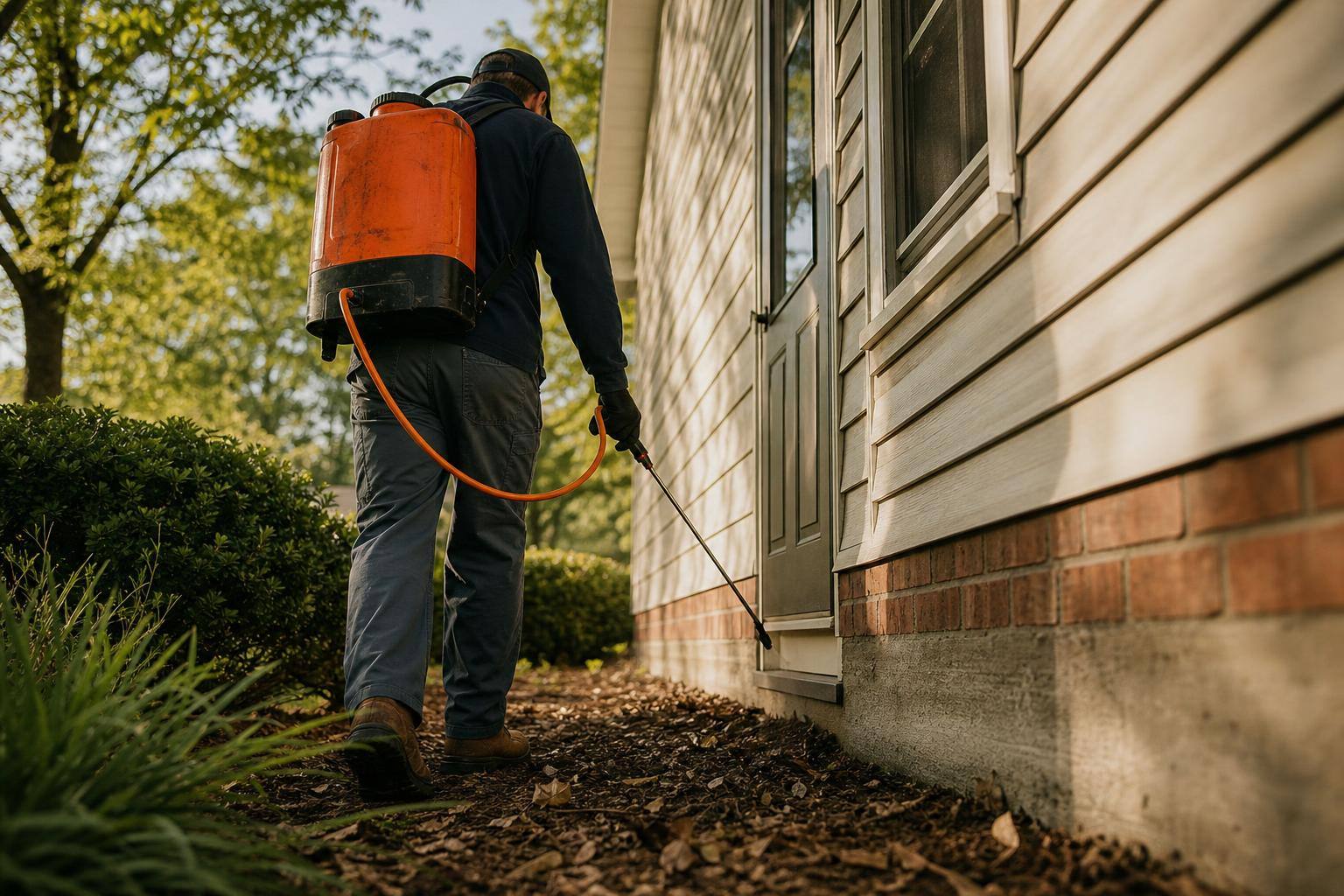
Exterior treatment addresses Charleston foundation lines, patios, retaining walls and damp planting areas where colonies stay active.
Ant trail treatment
A Charleston trail is traced back through cracks, pipe openings, thresholds and food sources instead of treating only the visible ants.
Recurring ant prevention
Recurring protection suits Charleston properties that see renewed activity after humid weather, heavy rain or seasonal movement around foundations.
Apartment ant treatment
Apartment work in Charleston separates the affected unit from shared walls, plumbing routes, kitchens and neighboring areas that may support trails.
Commercial ant control
Charleston restaurants, offices and service buildings need treatment planned around food handling, utility spaces, entrances and operating access.
Sizes
Ant Exterminator & Control Options Available in Charleston
The targeted treatment fits many Charleston jobs where ants are visible in a kitchen, pantry, patio or foundation area. Whole-home treatment is better when trails appear in several rooms or move between the structure and steep, damp ground.
Which option fits common Charleston projects
Schedule Charleston ant treatment
Click Here to Call (888) 510-9023Cost
What Affects Ant Exterminator & Control Cost in Charleston
The exact quote is given on the call after the ant problem is described. Cost depends on the treatment type and property size, the number of areas involved, parts and materials, time on site, access, distance and after-hours work.
Treatment scope
A single Charleston trail differs from activity across a kitchen, basement, foundation and yard. The number of treatment areas changes the work involved.
Property access
Steep Charleston lots, narrow drives, crawl spaces, locked utility rooms and river-area access can affect time on site and distance for the visit.
Materials and parts
The treatment plan may require different materials for indoor trails, exterior foundation areas, moisture-prone spaces or entry points around Charleston homes.
Timing and conditions
After-hours work, wet ground, heavy rain and freeze thaw damage can change how the visit is prepared and how much access checking is needed.
To avoid surprise charges, describe every active area, recent treatment, access restriction and property condition on the call. The exact quote is set before the visit based on that information.
What goes in
Types of Work We Handle
Indoor Ant Trails
Indoor trails through Charleston kitchens, pantries, bathrooms or utility rooms are covered treatment areas. Have the route, recent activity and likely food or moisture source ready to describe.
Outdoor Ant Colonies
Outdoor colonies around foundations, patios, retaining walls and yards are covered. A typical Charleston load includes wet soil, steep access and exterior entry points after heavy rain.
Recurring Ant Infestations
Recurring infestations are covered when seasonal activity returns around the property. Charleston homes with repeated foundation trails can be reviewed for recurring protection.
Not accepted. Treatment does not cover unrelated pests, unsafe work areas, inaccessible spaces, hidden structural damage or repairs to plumbing, foundations and building materials.
How to protect your home in Charleston
Projects
Ant Exterminator & Control for Different Projects
Kitchen Ant Treatment Ant Exterminator & Control
Kitchen treatment in Charleston follows trails around counters, sinks, cabinets and pipe openings, then addresses food sources and the route into the room.
Foundation Ant Treatment Ant Exterminator & Control
Foundation work around South Hills and Kanawha City homes checks exterior walls, basement edges, crawl spaces and damp soil where ants enter.
Pantry Ant Treatment Ant Exterminator & Control
Pantry treatment identifies food access and wall gaps, with attention to Charleston homes where older trim, utility routes and moisture support trails.
Patio Ant Control Ant Exterminator & Control
Patio control addresses colonies near slabs, retaining walls and planting beds, including sloped Charleston yards that direct rain toward the house.
Apartment Ant Treatment Ant Exterminator & Control
Apartment treatment in Charleston considers shared walls, plumbing routes, neighboring units, kitchens and building access before selecting the work area.
Restaurant Ant Control Ant Exterminator & Control
Restaurant control focuses on food areas, receiving doors, drains, storage and utility spaces while fitting the operating needs of Charleston businesses.
Commercial Building Ant Control Ant Exterminator & Control
Commercial building treatment in Kanawha County checks entrances, wall penetrations, service rooms and exterior foundation lines around the full property.
How it works
How Ant Exterminator & Control Works in Charleston
Call For Ant Help
A real person answers by phone around the clock. Describe the Charleston property, active areas and any access concerns.
Describe The Ant Problem
Share the ant locations, trail direction, recent rain, moisture, prior treatment and whether activity is indoors, outdoors or both.
Choose A Treatment Plan
The technician matches the inspection visit, targeted treatment, whole-home treatment or recurring protection to the conditions described.
Complete Ant Control
The technician checks the agreed work areas, treats supporting access points and explains what to watch for after the treatment.
Weather in Charleston
Charleston's humid summers can increase ant activity, while heavy Appalachian rain may move colonies toward walls and foundations. Freeze thaw cycles can open small gaps. Wet ground, flooding concerns and steep access are reviewed when setting the visit and choosing exterior work areas.
Treatment area access
Work may include crawl spaces, slabs, basements, utility rooms, kitchens, foundation lines, patios and yards. Charleston hillsides can limit vehicle or technician access, while river flooding, locked rooms, stored items and narrow passages may restrict the work area.
Discuss Charleston ant activity
Click Here to Call (888) 510-9023Permits
Ant Exterminator & Control Permits and Access Rules in Charleston
Access rules
Ant treatment on a private Charleston property generally does not require a street permit, but work involving public space, unusual vehicle placement or local inspection requirements should be confirmed with the City of Charleston. The call covers what applies and who needs to arrange it.
Landlord and HOA requirements
Kanawha County homeowners associations, covenants and landlords may set rules for exterior treatment, access, notices or recurring service. Review those requirements before scheduling work on a shared, managed or rental property.
What the work area needs
Clear access to the affected rooms, crawl spaces, foundation edges and utility shutoffs. Provide parking for the work vehicle where possible, keep people and pets away, and mention wet ground, steep slopes, flooding or recent freeze thaw damage.
Timing
Seasons, Weather and the Best Time to Call in Charleston
Ant activity in Charleston commonly becomes more noticeable during humid summer weather and after heavy Appalachian rain, when colonies shift toward buildings. Spring thaw can open routes at foundations, while fall movement may bring ants indoors. Seasonal activity can also return around damp crawl spaces, patios and river-area properties.
Spring thaw and rain
Freeze thaw movement and spring rain can open foundation gaps or redirect water toward basements. Inspection should include sills, crawl spaces, slabs and exterior soil before the trail is treated.
Humid summer activity
Humid Charleston summers support visible trails in kitchens, pantries and patios. Recurring protection may suit properties where exterior activity returns after storms or follows damp foundation lines.
Service area
Ant Exterminator & Control Areas We Serve
Service covers Charleston neighborhoods and settings including South Hills, Kanawha City, Edgewood, West Side, downtown properties, hillside homes, river-adjacent areas and commercial corridors. Nearby service may also be available in Bluefield, Blacksburg, Boones Mill, Canal Winchester and Saint Clairsville through the broader coverage area.
Charleston is part of our Kanawha County coverage, and we also serve the neighboring communities below.
Why Call an Ant Exterminator & Control in Charleston?
Charleston's river-city layout puts homes on both low ground and steep hillsides. That changes how rain moves toward foundations, where crawl-space moisture collects and how a technician reaches exterior trails.
Older homes, apartments and commercial kitchens across Charleston can share plumbing routes, wall gaps and utility spaces. Treatment starts with the trail and its supporting conditions, not just the ants visible on the surface.
Click Here to Call (888) 510-9023FAQs
Ant Exterminator & Control FAQs
How much does ant control cost in Charleston?
The exact quote is given on the call. Cost changes with the treatment tier, property size, number of active areas, parts and materials, time on site, distance, access and after-hours work. Describe Charleston slopes, basements, crawl spaces and exterior trails so the quote reflects the actual job.
Which ant treatment fits my Charleston home?
A targeted treatment fits a defined trail, while a whole-home treatment suits activity across rooms and foundation areas. An inspection visit helps when the species, entry point or nesting area is unclear. The property layout, moisture and number of active zones determine the recommendation.
How soon can someone come for ant control in Charleston?
The visit time is set by phone after the property and ant problem are reviewed. Ask about available timing, including after-hours options, and mention steep access, flooding, locked areas or household restrictions that could affect scheduling.
What does Charleston ant treatment cover?
Treatment can cover indoor trails, outdoor colonies, foundation areas, patios, kitchens, pantries, apartments and commercial spaces. The technician checks visible activity, species indicators, food sources, moisture and likely nesting or entry areas before choosing the treatment.
What does ant control not cover?
It does not cover unrelated pests, unsafe or inaccessible areas, hidden structural damage, or repairs to plumbing, foundations and building materials. Those conditions should be described on the call so the work area and treatment limits are clear.
Does ant treatment in Charleston need a permit?
Routine treatment on private property generally does not require a street permit, but public-space work, unusual vehicle placement or local inspection requirements may need confirmation with the City of Charleston. The call covers what applies and who arranges it.
Do I need to leave my Charleston home?
That depends on the treatment area, materials and technician instructions. Provide access to kitchens, basements, crawl spaces, utility rooms and foundation edges, keep pets and people clear, and mention locked rooms or shared apartment areas before the visit.
What should I have ready when calling about ants?
Have the property location, ant activity areas, trail direction, recent rain or moisture, prior treatment, access limits and preferred visit considerations ready. Photos can help describe the problem, but the main decision is where activity begins and where it disappears.
Does Charleston weather affect ant treatment?
Yes. Humid summers can increase activity, heavy Appalachian rain can move colonies toward foundations, and freeze thaw cycles can open entry gaps. Wet ground, steep slopes and river flooding concerns may affect exterior access and the treatment plan.
Can you treat ants around Charleston hillside homes?
Yes, hillside homes can be treated after access, drainage and foundation conditions are reviewed. South Hills and other sloped properties may have crawl spaces, retaining edges or basement walls that connect outdoor activity with indoor trails.